S.T. Dupont Maki-E Line 2 "Perfect Ping" — Fugaku
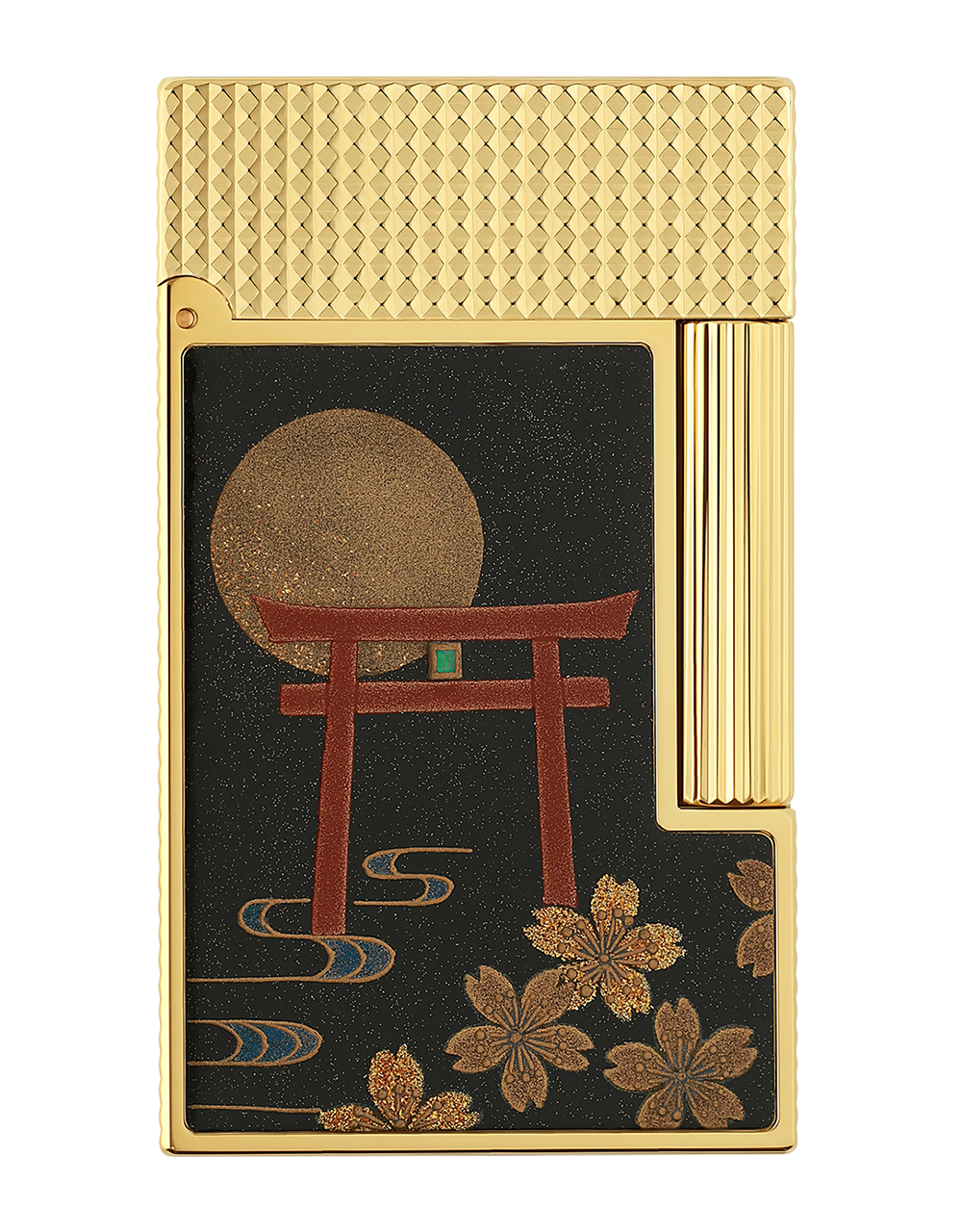
富嶽 — Fugaku. The formal name for Mount Fuji is older than the mountain's fame, and its weight heavier than any single image of the peak can carry alone. The S.T. Dupont Maki-E Line 2 Fugaku holds that weight in gold powder and lacquer, executed by the same hands that have carried Maki-E forward for over a millennium.
The Art of Maki-E
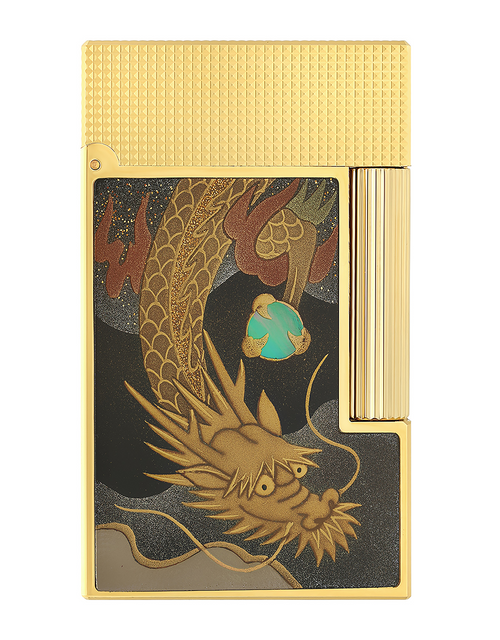
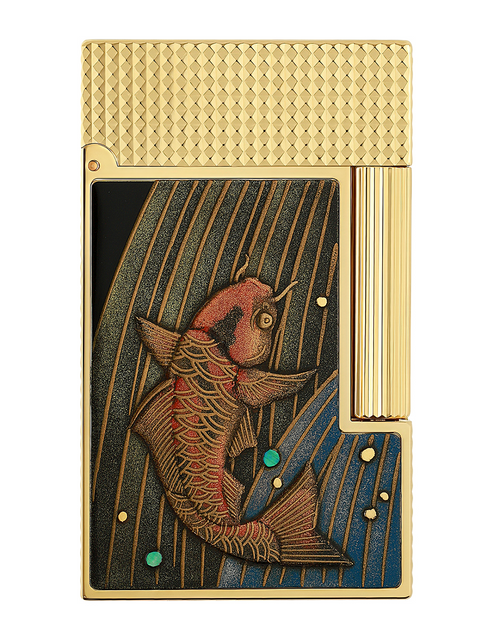
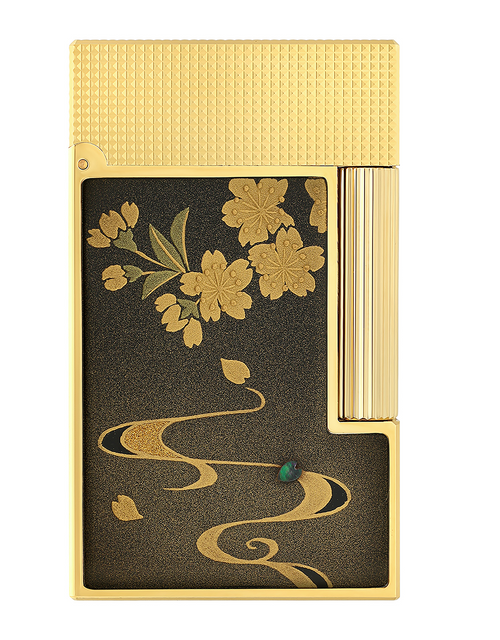
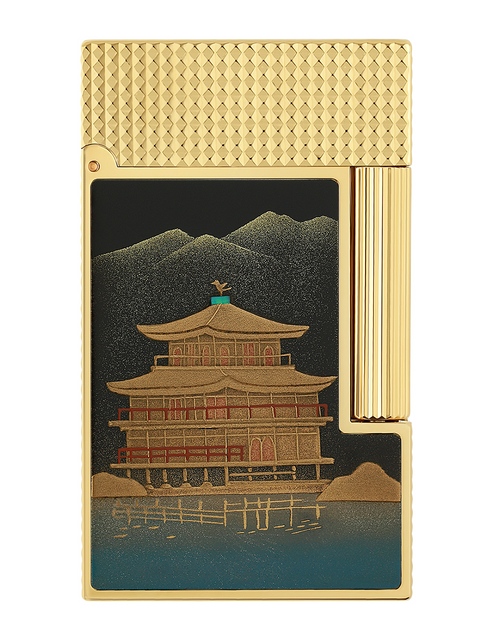
Maki-e — literally "sprinkled picture" — is a Japanese lacquerware technique with origins in the 8th century. In its execution, a lacquer motif is first painted by hand onto the surface. While the lacquer is still wet, gold, silver, or other metallic powders are applied through a fine bamboo tube, settling into the design with an exactness no mechanical process can replicate. The piece is then placed in a cedar box to dry — slowly, carefully — before being polished by hand with magnolia leaf, charcoal, camellia, and nettle. The result is a surface of extraordinary depth: warm, luminous, and unrepeatable. No two pieces emerge identical from this process.
Wajimaya Zenni
S.T. Dupont partnered with Wajimaya Zenni Inc., master lacquerware artisans based in Japan, to execute the Maki-E collection. Each piece bears the "Zenni" signature — a mark of origin, of authorship, and of the individual hand that made it. Wajimaya Zenni's tradition is rooted in the Wajima lacquerware school, one of the most distinguished in Japan, known for the depth and luminosity of its finishes.
Fugaku — The Sacred Mountain
Mount Fuji has been the subject of religious devotion, literary pilgrimage, and artistic obsession for as long as Japan has had artists to observe it. Hokusai's Thirty-six Views of Mount Fuji — published between 1830 and 1832 — fixed the mountain in the global imagination as something beyond geography: a symbol of Japan's national spirit, the aspiration toward the permanent set against the transience of everything below. On the Line 2, Fugaku rises from the lacquer surface in gold powder — the mountain at once serene and commanding, in a scene depicted on front and back. The view is, as it has always been, inexhaustible.
The Line 2
The Line 2 is S.T. Dupont's defining lighter — the piece against which all others in the Maison's range are measured. Its double yellow flame and the crystalline "perfect ping" that sounds at the opening of the cap have been the acoustic and functional signatures of S.T. Dupont craftsmanship for decades. On the Maki-E Fugaku, the Line 2 becomes a vessel for Japan's most enduring image.
Now available at The Tobacconist of Greenwich.